

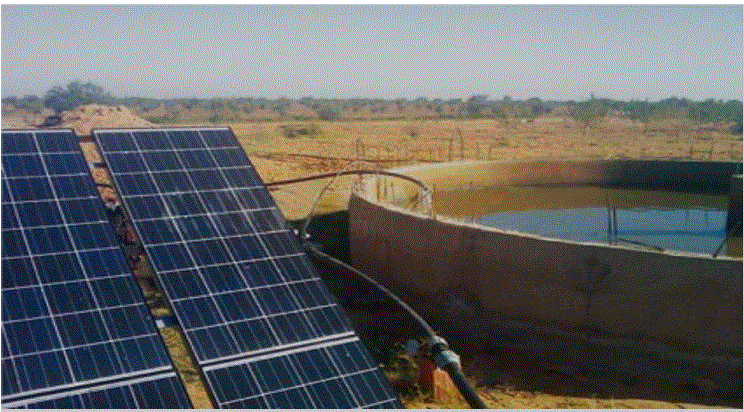
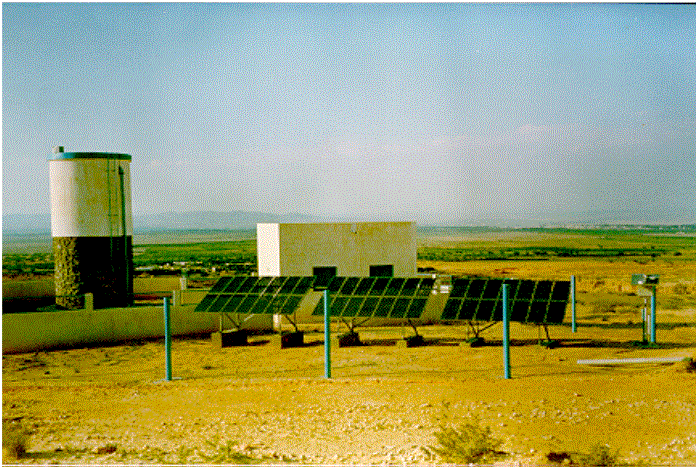
Water pumping, for irrigation, domestic or animal use, is a vital need for rural populations and farmers. Generally, water pumping is done by means of electric or mechanical motor pumps. In sites not connected to the electrical grid, farmers often have no choice but diesel engines or traditional methods, manually or by animal traction.
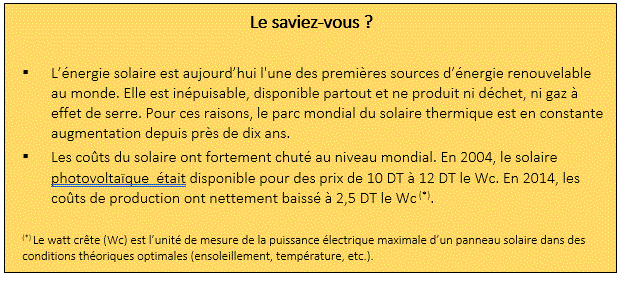
From now on, solar photovoltaic provides the electrical energy necessary for the operation of a motor pump allowing to draw water from depths of up to 350 meters. The water pumped during sunny days is stored in reservoir tanks, thus avoiding the use of batteries.
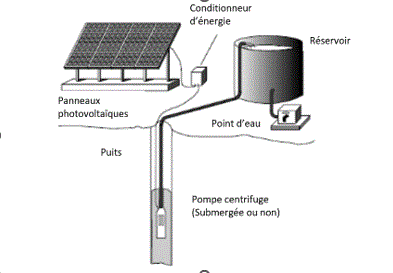
A solar water pumping system is generally composed of the following elements:
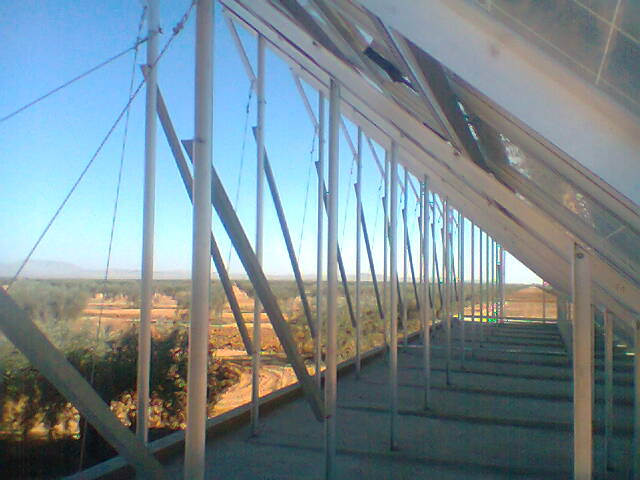
- Photovoltaic solar modules to capture the sun’s energy and convert it into electricity.
- A power conditioning unit, consisting of a converter allowing to vary the output frequency and voltage according to the available power of the solar generator.
- A submerged or surface-mounted pump consisting of an alternating or direct current electric motor.
- Electrical wiring, through which the energy from the generator to the motor passes, and information relating to safety controls.
- A hydraulic infrastructure that carries water from its source (well) to the distribution points.
Agricultural operators and rural populations in areas isolated from the electrical grid.
The choice for a solar pumping installation generally depends on three factors:
- The distance from the electrical grid and the cost of extending a line to the operation.
- The operating and maintenance cost of a solar system compared to other solutions: diesel, propane, or gasoline.
- The uncertainty about future electricity prices and rising fuel costs.
The sizing of the solar pumping installation depends on two factors: the daily water requirement (irrigation or other use) and the water flow rate and the manometric head to which this water must be raised.
In all cases, seek advice from professionals. Your supplier will explain and advise you on the optimal sizing of your installation.
You can also contact the ANME (National Agency for Energy Management) services in your region or in Tunis. The ANME specialists will advise you.
The installer shall provide the installation beneficiary with the following documents in French and Arabic language:
- Detailed electrical plans and diagrams of the installation
- Identification on plans of the location of the various components, photovoltaic modules, and corresponding connections
- Instructions for use and operation of the photovoltaic system, the inverter, the pumping system, and the equipment provided
- A preventive maintenance manual for the installation with a proposed maintenance contract
- Equipment and installation warranty certificates
- A description of the system intervention procedure and safety instructions
In addition, the company shall provide simplified instructions for the use and inspection of systems and the marking of all adjustment elements and indicators provided in French or Arabic, at the beneficiary’s choice.
A minimum of 3 hours of on-site training for the user is required to ensure that they have understood the basic system configuration, normal operating procedures, safety rules, handling of minor faults, as well as routine services and maintenance.
Demand a final invoice and warranty certificate from your installation supplier.
Before signing your contract, carefully read the warranty conditions offered by the supplier.
The supplier must provide a minimum one-year warranty against system, manufacturing, and installation defects.
During this period, the supplier will be responsible for parts, labor, transportation, and all other costs associated with repairing or replacing system components.
After the system warranty expires, the supplier will only be responsible for component replacement, but not for associated labor or transportation costs, during the warranty periods for the main elements listed below.
The minimum acceptable manufacturer warranties for the main elements are:
- Photovoltaic modules: 10 years (no power loss of more than 10% of capacity over a ten-year period)
- Inverters: 2 years
- Pumps: 2 years
Manufacturer warranties for modules, inverters, and motor pumps must be valid and transferable to the end user at the time of installation.
The supplier must issue the system warranty certificate as well as warranty certificates for each major component.
The minimum warranty for the system is one year from the date of functional acceptance of the installation.
You have finally acquired your solar pumping system. Be aware that the performance and proper functioning of your solar system are best when it is well-maintained.
- An annual maintenance operation is recommended. Your supplier will do this.
- Gently wash and wipe the glass of the solar panels once or twice a year, or whenever necessary.
- Check the condition of the connections from time to time. These can be affected by weather conditions. If you notice a failure, contact your installer.
- For your safety and that of the installation, it is advisable not to handle the system components. Only your installer is authorized to do so.